

union pacific settlements Allowed
A settlement reached after what was described as marathon negotiating sessions prevented a rail strike on Friday. The agreement grants workers an increase of 24% over the next five years, as well as an additional day off for personal use. It also changes strict attendance policies to allow for working hours that are not completed due to illness.
The contract does not include paid sick days. This is a major concern for many railroad workers. The unions could be prompted to oppose arbitration, which would initiate the cooling-off period of 30 days.
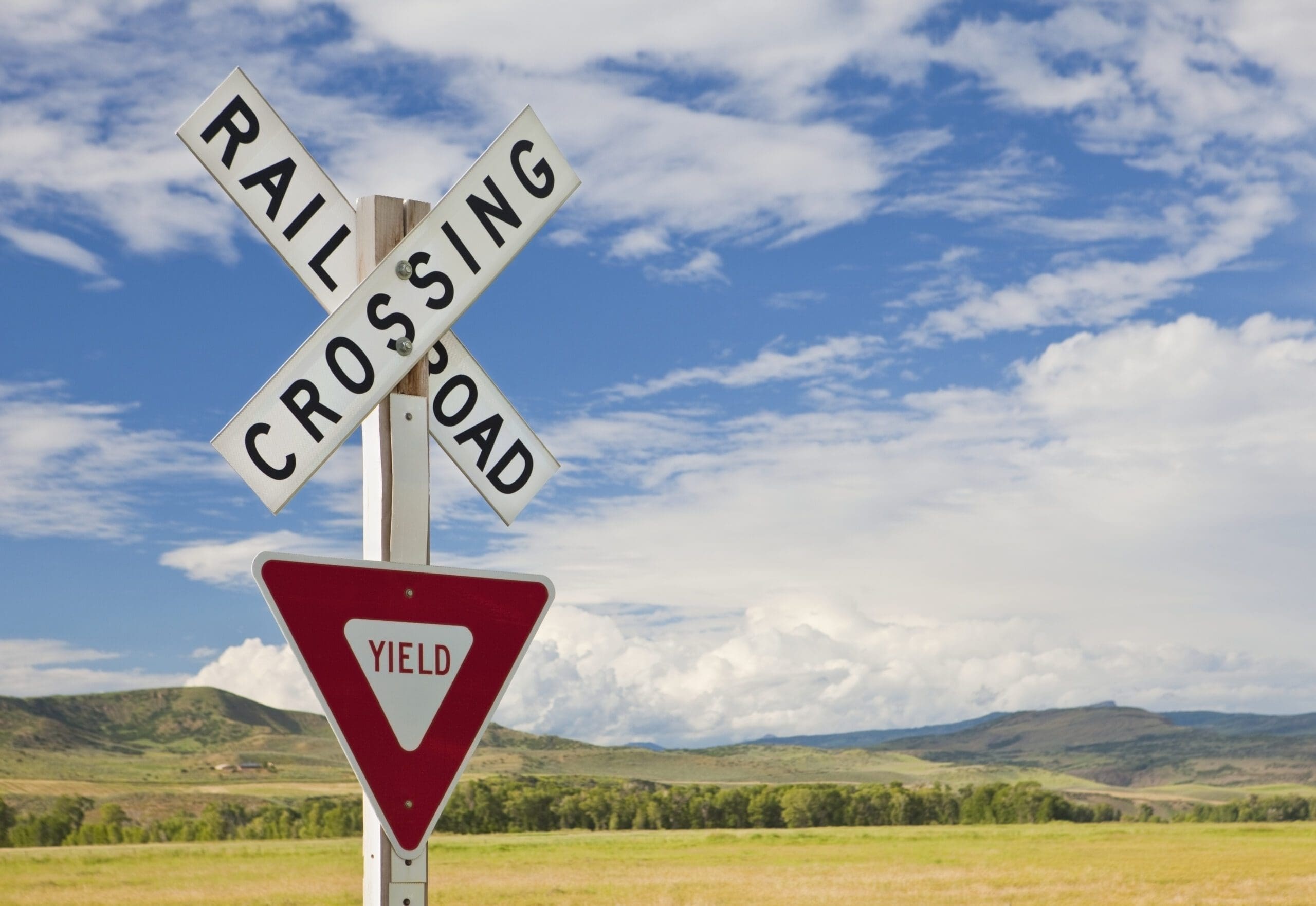
Land Grants
Railroad companies used large areas of land given to them by the government of the state and federal governments to offset the costs of building their lines. They could then use the land to secure mortgage loans or sell bonds in the future. It also helped them draw settlers to the area that their lines would cross, which increased the demand for their services.
Multiple myeloma settlements faced many issues, including corruption and abuses However, they ultimately helped the United States prosper, by developing a transportation network that opened up the West to settlement. The railways supported programs for agriculture that helped farmers to succeed and increase the demand for railroad transport.
The federal government wanted to encourage the construction of a transcontinental railroad by providing large amounts of land to private companies. The federal government provided 130 million acres to the first five companies that constructed a transcontinental railway, and the states contributed 50 million acres.
To be eligible for land grants, railroads were required to surrender the rights they had acquired as compensation or for aid in construction. These rights were generally founded on natural features like streams and rivers however in some instances the boundary was drawn with points. Railroads were permitted to choose other public land instead of the grant land.
Contracts
Rail transportation is an essential part of the economy, and it requires a high level of reliability to keep the freight moving. A major rail strike could have stopped shipments and imposed significant costs on customers. With a combined net income of $27 billion, railways are able to afford the sacrifice of passive revenue streams to offer workers with paid leave and better working conditions. railroad injury settlement amounts don't want.
Negotiations between unions and railroad management broke down this year over issues like worker benefits, work rules and the staffing levels. The two largest freight rail labor unions which include the Brotherhood of Locomotive Engineers and Trainmen and SMART-TD have rejected the proposal for a contract that included 24% wage increase and changes to the railroad's attendance policies that some consider to be draconian.
The unions would prefer to have negotiated an agreement independently, but that option was not open to them. They asked the National Mediation Board instead to declare an impasse, and then go to arbitration. This approach, as demonstrated by the recent vote to authorize striking, has brought negotiations to political territory. Congress is now preparing to impose a contract compromise and stop a rail shut down. The agreement would bind workers and companies to a contract that the labor-friendly Obama White House brokered.
railroad injury settlement amounts
Under the Railway Labor Act, Congress and the President have the power to intervene in transportation labor disputes to stop lockouts and strikes that slow down commerce across the nation. However, it's rare to see them take direct action in a dispute. Joe Biden did exactly that today. He has signed a bill binding railroad companies and workers to the settlement that was proposed between the two sides. It was the right thing to do, he said, despite the risk of an economic catastrophe that could have struck at in a time when the economy already is struggling.
The agreement, which has to be approved by the workers, includes 24% wage increases over five years. It also includes medical leave as well as caps on health care costs. The agreement also makes changes to the railroads' stifling attendance policies, which allow employees to leave work for medical reasons without being disciplined. Nearly all progressives in the House, including Alexandria Ocasio Cortez, Mark Pocan and Ilhan Omar as well Pramila Jayapal, voted in favor of the settlement.
The agreement does fall short of meeting a few union demands, including the demand for paid sick days. But it's clear that railroads wanted to avoid the risk of winding up before an angry Congress, and Mr. Harris, the head of the union for switchmen, agreed to put forward the idea. The mediators who had made it a point to insist that they would only make recommendations when both sides suggested them they should, complied with the union's demands.
Settlements
Settlements are communities of people living in a particular region. It can be anything from a small number of dwellings grouped together to a large city with urbanized areas surrounding it. Settlement is also the method by railroads settle freight. The process involves the distribution of revenue waybills and determining the division rate for each shipment and determining the section. It also includes an agreement on a settlement amount as well as the method for collecting and reporting the revenue.
A settlement between workers, railroads and unions stops a nationwide strike on freight rails at an important time of year when the nation is preparing for the winter holidays. This is a crucial move because a strike against the freight rails would disrupt the economy and increase the rate of inflation. The deal also contains language that requires railroads to provide employees with paid sick days. The president, who is an ally of long-term labor and a proponent of the deal and urged lawmakers to vote in favor of.
The settlement will require all railroads to utilize the Interline Settlement System (ISS) to determine sections of freight and freight rates. ISS is a system of electronic data exchange which allows railroads and other companies to exchange data on freight transactions. It will stop most post-settlement disputes through allowing railroads to communicate information regarding shipping charges electronically. It will also improve efficiency by reducing the need for paper.